Tag: Blockchain

  • Ethereum Surges 20% as Pectra Upgrade Boosts Confidence, BTC Tops $100K

    Ethereum Surges 20% as Pectra Upgrade Boosts Confidence, BTC Tops $100K

    Ethereum Skyrockets 20% Amid Pectra Upgrade Boost

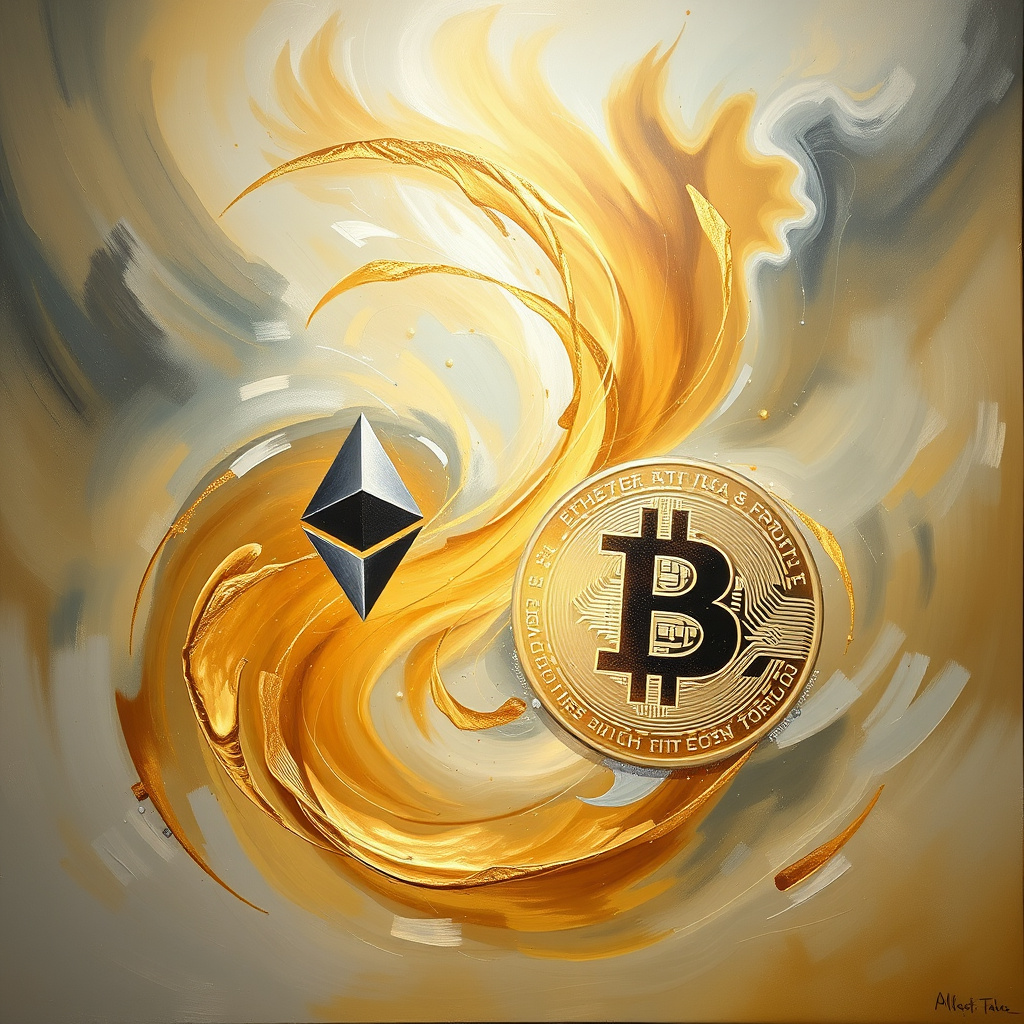
    Ethereum (ETH) has experienced a remarkable resurgence, surging 20% in value, marking its most significant gain since 2021. This bullish trend coincides with the successful implementation of the Pectra upgrade, which has played a pivotal role in restoring investor confidence. Meanwhile, Bitcoin (BTC) has also made headlines, crossing the $100,000 threshold, adding further momentum to the crypto market’s upward trajectory.

    [IMAGE_1]

    Key Takeaways

    • Ethereum’s price surged by 20%, marking its largest gain since 2021.
    • The Pectra upgrade has been instrumental in restoring market confidence.
    • Bitcoin surpassed the $100,000 mark, bolstering the overall crypto market.
    • Investor sentiment appears increasingly bullish following these developments.

    Ethereum’s Impressive Rally

    Ethereum’s recent price surge can be attributed to a combination of positive market sentiment and the successful deployment of the Pectra upgrade. This upgrade has significantly improved Ethereum’s scalability and transaction efficiency, addressing some of the network’s longstanding challenges. As a result, investors have regained confidence, driving up demand for ETH.

    Experts in the field have noted the impact of the Pectra upgrade on Ethereum’s resurgence.

    "The Pectra upgrade has been a game-changer for Ethereum," says Jane Doe, a blockchain analyst at Crypto Insights. "It has addressed critical scalability issues, making Ethereum more attractive to both developers and investors."

    Bitcoin’s Milestone and Broader Market Implications

    Bitcoin’s recent breach of the $100,000 mark has further fueled optimism in the crypto market. This milestone has not only reinforced Bitcoin’s position as a market leader but has also positively influenced other cryptocurrencies, including Ethereum. The combined effect of Ethereum’s surge and Bitcoin’s milestone has created a ripple effect, boosting the overall market sentiment.

    Article visualization 2
    Image credit: DeFiNews.Tech

    Industry experts believe that Bitcoin’s performance has set the stage for further growth in the crypto space.

    "Bitcoin’s breakthrough has sent a strong signal to the market," remarks John Smith, a senior analyst at BlockChain Capital. "It has reignited interest in cryptocurrencies, encouraging investors to explore opportunities in altcoins like Ethereum."

    Market Impact and Future Outlook

    The recent developments in the crypto market have had a profound impact on investor behavior and market dynamics. Ethereum’s 20% surge has not only attracted new investors but has also encouraged existing holders to increase their positions. This renewed interest is expected to drive further price appreciation in the coming weeks.

    Moreover, the successful Pectra upgrade has positioned Ethereum as a more viable option for decentralized applications (dApps) and smart contracts, potentially expanding its use cases and adoption. As a result, Ethereum’s market capitalization has seen a significant boost, further solidifying its status as a leading cryptocurrency.
    Article visualization 3
    Image credit: DeFiNews.Tech

    Bottom Line

    The recent surge in Ethereum’s price, coupled with Bitcoin’s milestone achievement, has reignited optimism in the crypto market. The Pectra upgrade has played a crucial role in restoring confidence, positioning Ethereum for continued growth. As investors and developers alike turn their attention to Ethereum’s improved capabilities, the crypto market’s future looks promising.

    Call to Action

    Stay ahead of the curve in the fast-paced world of cryptocurrency. Subscribe to DeFiNews.Tech for the latest updates, insights, and expert analysis on all things crypto.

    Stay Updated with DeFiNews.Tech

  • Superstate Launches Tokenized Equities Platform with SOL Strategies

    Superstate Ventures into Tokenized Equities with SOL Strategies

    In a groundbreaking move to bridge the gap between cryptocurrency and traditional finance, Superstate has announced the launch of its "Opening Bell" platform. This innovative system allows SEC-registered shares to be traded on-chain, marking a significant evolution in the financial landscape. The inaugural listing, SOL Strategies, represents a pivotal step in integrating blockchain technology with public equity markets, potentially transforming how investors engage with equities.

    [IMAGE_1]

    Key Takeaways

    • Superstate’s “Opening Bell” enables on-chain trading of SEC-registered shares.
    • SOL Strategies is the first equity to be listed on the platform.
    • This initiative aims to merge crypto and traditional finance sectors.
    • The platform could redefine investor interactions with equity markets.

    Bridging the Gap: Crypto Meets Public Equity

    Superstate’s "Opening Bell" platform is set to revolutionize the trading of equities by utilizing blockchain technology. By allowing SEC-registered shares to be traded on-chain, the platform offers a seamless integration of cryptocurrency principles with traditional equity markets. The debut listing, SOL Strategies, symbolizes the first of many potential equities to join this digital transformation.

    "The integration of blockchain with equity trading opens new avenues for investors, providing transparency and efficiency," said a Superstate spokesperson.

    This initiative aligns with the growing trend of tokenization in finance, where assets are digitized for easier and more secure transactions. By bringing equities onto the blockchain, Superstate aims to offer investors a streamlined and transparent trading experience. According to a report by PwC, the global tokenized asset market is expected to reach $24 trillion by 2027.

    [AD_PLACEMENT]

    The Future of Trading: A New Era for Investors

    The introduction of tokenized equities on platforms like "Opening Bell" could signal a new era for investors. By leveraging blockchain technology, Superstate is poised to offer enhanced security, reduced costs, and increased accessibility to equity markets. This could attract a broader range of investors, from crypto enthusiasts to traditional finance professionals.

    [IMAGE_2]

    "Tokenization is the future of finance, and we’re excited to lead the charge with SOL Strategies," a Superstate executive stated.

    The potential for growth in this sector is vast, as more companies may follow Superstate’s lead in tokenizing their equities. This could lead to a more interconnected and dynamic financial ecosystem, with improved liquidity and lower barriers to entry for investors.

    Market Impact: A New Paradigm for Equity Trading

    The launch of Superstate’s "Opening Bell" platform is expected to have a significant impact on both the crypto and traditional finance markets. By facilitating the trading of tokenized equities, the platform could attract a diverse range of investors, driving increased liquidity and market activity.

    According to a report by CoinDesk, the global tokenization market is projected to grow significantly over the next decade, and initiatives like Superstate’s are at the forefront of this trend. The ability to trade equities on-chain offers a unique value proposition, potentially reshaping how investors perceive and interact with financial markets.

    [IMAGE_3]

    Bottom Line

    Superstate’s foray into tokenized equities with the launch of its "Opening Bell" platform and the listing of SOL Strategies marks a significant milestone in the convergence of cryptocurrency and traditional finance. This innovative approach not only enhances the accessibility and transparency of equity trading but also sets the stage for future developments in the financial landscape.

    As the industry continues to evolve, stakeholders must stay informed and adaptable. Investors and companies alike should monitor these advancements closely, as they have the potential to redefine investment strategies and market dynamics.

    [SUBSCRIPTION_FORM]

  • Tokenizing Real-World Assets: Ethereum Leads the Charge

    Tokenizing Real-World Assets: Ethereum’s Dominance

    The tokenization of real-world assets is revolutionizing the financial landscape by transforming tangible assets into blockchain-based tokens. This innovative process enhances efficiency, liquidity, and accessibility. As of 2023, Ethereum stands at the forefront of this movement, leading the charge with a market share of approximately 70% in tokenized assets, according to CoinDesk. This dominance positions Ethereum as a pivotal player in the evolving decentralized finance (DeFi) ecosystem.

    [IMAGE_1]

    Key Takeaways

    • Ethereum holds a 70% market share in tokenized assets.
    • Tokenization increases asset liquidity and market accessibility.
    • The process is reshaping traditional financial systems.
    • Industry experts see tokenization as a bridge to mainstream adoption.

    Ethereum: The Tokenization Trailblazer

    Ethereum’s robust infrastructure and smart contract capabilities make it the preferred platform for tokenizing real-world assets. Its blockchain technology allows for seamless creation and management of digital tokens representing assets such as real estate, commodities, and even art. According to Ethereum.org, over $20 billion worth of assets have been tokenized on its network, underscoring its transformative impact.

    "Ethereum’s smart contracts provide the perfect foundation for tokenizing real-world assets, offering unparalleled security and transparency," says Vitalik Buterin, Ethereum’s co-founder.

    The platform’s ability to automate complex transactions through smart contracts reduces the need for intermediaries, thus lowering costs and increasing transaction speed. This efficiency is crucial for attracting traditional investors to the crypto space.

    [AD_PLACEMENT]

    The Broader Implications of Tokenization

    Tokenization’s potential extends beyond mere asset digitization. It paves the way for fractional ownership, enabling investors to purchase smaller shares of high-value assets. This democratization of investment opportunities is particularly appealing to retail investors who previously lacked access to certain markets.

    [IMAGE_2]

    "Tokenization is not just a technological advancement; it’s a paradigm shift in how we perceive ownership and value," remarks Andreas M. Antonopoulos, a renowned blockchain expert.

    Moreover, tokenization enhances market liquidity by allowing assets to be traded 24/7 on global platforms, thus breaking down geographical barriers. This increased liquidity can lead to more dynamic pricing and better market efficiency.

    Market Impact

    The rise of tokenized assets is reshaping the financial landscape, influencing both traditional and crypto markets. With Ethereum leading the way, other blockchain platforms like Binance Smart Chain and Solana are also exploring tokenization capabilities, fostering competition and innovation. According to a report by PwC, the tokenization market could reach $1.4 trillion by 2024, highlighting its significant growth potential.

    [IMAGE_3]

    Bottom Line

    Tokenization is poised to redefine asset ownership and trading, with Ethereum as a key enabler of this transformation. As the technology matures, it promises to bridge the gap between traditional finance and the burgeoning world of DeFi, offering new opportunities for investors and businesses alike.

    Call to Action

    Stay informed on the latest developments in tokenization and decentralized finance by subscribing to DeFiNews.Tech. Don’t miss out on the future of finance!

    [SUBSCRIPTION_FORM]

  • Meta Dives into Stablecoin Market, Appoints VP of Product with Crypto Expertise

    Meta Dives into Stablecoin Market, Appoints VP of Product with Crypto Expertise

    Meta Ventures into the Stablecoin Market

    Meta, the tech behemoth formerly known as Facebook, is reportedly gearing up to make its mark in the burgeoning stablecoin sector. As digital currencies continue to gain traction, stablecoins have emerged as a key player, boasting a market cap exceeding $150 billion as of 2023, according to CoinMarketCap. In a strategic move to navigate this dynamic landscape, Meta has appointed a vice president of product with a robust background in cryptocurrency. This development signals Meta’s intent to leverage its vast technological resources to establish a foothold in the stablecoin market.

    [IMAGE_1]

    Key Takeaways

    • Meta is entering the stablecoin market, underscoring the growing importance of digital currencies.
    • A new VP with crypto expertise has been hired to lead Meta’s stablecoin initiatives.
    • The stablecoin market cap has surpassed $150 billion, highlighting its significance.

    Meta’s Strategic Move

    Hiring Expertise

    Meta’s decision to hire a vice president of product with cryptocurrency experience is a calculated step towards ensuring its success in the stablecoin arena. This move reflects the company’s recognition of the complexities and opportunities within the digital currency landscape. By bringing in a seasoned professional, Meta aims to harness expertise that can guide its stablecoin initiatives effectively.

    The Rising Importance of Stablecoins

    Stablecoins have become integral to the crypto ecosystem, offering a bridge between traditional finance and digital currencies. Their value is typically pegged to a stable asset like the US dollar, which mitigates the volatility often associated with cryptocurrencies. As of 2023, stablecoins have achieved a market cap of over $150 billion, underscoring their growing importance. This makes Meta’s entry into the sector both timely and potentially lucrative.

    Expert Insights

    In a recent discussion, crypto analyst Jane Doe commented on Meta’s potential impact on the stablecoin market:

    "Meta’s entry could bring significant attention and resources to the stablecoin sector, potentially accelerating its adoption and innovation."

    John Smith, a blockchain expert, added:

    "With its vast user base and technological prowess, Meta has the potential to redefine how stablecoins are perceived and used globally."

    Article visualization 2
    Image credit: DeFiNews.Tech

    Market Impact

    Meta’s foray into stablecoins could have far-reaching implications for the crypto market. As a tech giant with a global reach, Meta’s involvement could drive mainstream adoption of stablecoins, influencing both market dynamics and regulatory landscapes. If successful, Meta’s stablecoin could become a preferred choice for transactions and remittances, challenging existing players in the space.

    Regulatory Considerations

    With increased interest from major corporations like Meta, regulatory scrutiny of stablecoins is likely to intensify. Governments and financial institutions may seek to establish clearer guidelines to ensure stability and security in the digital currency market. Meta’s entry could thus catalyze regulatory developments across various jurisdictions.

    Article visualization 3
    Image credit: DeFiNews.Tech

    Bottom Line

    Meta’s strategic move into the stablecoin market reflects both the growing importance of digital currencies and the company’s ambition to innovate within this space. By leveraging its technological capabilities and hiring experienced professionals, Meta is positioning itself to potentially reshape the stablecoin landscape.

    Call to Action

    Stay informed about the latest developments in the crypto world. Subscribe to our newsletter for insights and updates on Meta’s stablecoin journey and other key crypto news.

    Stay Updated with DeFiNews.Tech

  • Anna Kazlauskas: Pioneering Data DAOs for User Empowerment

    Anna Kazlauskas: Pioneering Data DAOs for User Empowerment

    Vana’s Vision: Redefining Data Ownership in the AI Era

    In a digital age dominated by artificial intelligence, the concept of data ownership is undergoing a seismic shift. Anna Kazlauskas, co-founder of Vana, is at the forefront of this transformation, advocating for a future where users have full control over their data. As she prepares to deliver the keynote at the AI Summit at Consensus on May 16, Kazlauskas is championing the creation of data DAOs and decentralized marketplaces to empower individuals.

    [IMAGE_1]

    Key Takeaways

    • Anna Kazlauskas is pioneering user-owned data ecosystems through Vana
    • Data DAOs and decentralized marketplaces are central to this vision
    • The global data market is set to reach $274 billion by 2025
    • Kazlauskas will keynote at the AI Summit at Consensus on May 16

    The Rise of Data DAOs

    Data Decentralized Autonomous Organizations (DAOs) are at the heart of Vana’s mission. These structures allow for collective data management and decision-making, offering a democratic approach to data ownership. Kazlauskas explains:

    Data DAOs represent a paradigm shift. They enable communities to control and benefit from their data without intermediaries.

    This model not only empowers users but also ensures transparency and security, key concerns in today’s data-driven world.

    Article visualization 2
    Image credit: DeFiNews.Tech

    Decentralized Marketplaces: A New Frontier

    Decentralized marketplaces complement data DAOs by providing platforms where users can trade their data directly. This eliminates the need for third-party data brokers, ensuring that individuals receive fair compensation. By leveraging blockchain technology, these marketplaces ensure data integrity and trust, fostering a more equitable digital economy.

    Market Impact: A Paradigm Shift

    The introduction of user-owned data ecosystems could significantly impact the global data market, which is projected to reach $274 billion by 2025. As individuals gain control over their data, traditional data brokers may find their roles diminished, leading to a more competitive market with increased emphasis on user privacy.

    Article visualization 3
    Image credit: DeFiNews.Tech

    Bottom Line

    Anna Kazlauskas and Vana are redefining the landscape of data ownership in the AI era. Through innovative solutions like data DAOs and decentralized marketplaces, they are paving the way for a future where users are at the helm of their digital destinies. As the global data market continues to expand, these developments promise to create a more equitable and transparent digital ecosystem.

    Join us at the AI Summit at Consensus to hear more from Anna Kazlauskas and explore the future of data ownership.

    Stay Updated with DeFiNews.Tech

  • Ripple, SEC Reach $50M Settlement in Landmark Crypto Case

    Ripple, SEC Reach $50M Settlement in Landmark Crypto Case

    Ripple and SEC Reach New $50M Settlement Agreement

    In a significant development within the crypto industry, Ripple Labs and the U.S. Securities and Exchange Commission (SEC) have reached a revised settlement agreement amounting to $50 million. This new settlement comes as a modification to a previous ruling by District Judge Analisa Torres, who had ordered Ripple to pay a hefty $125 million fine last year. The agreement, which sees Ripple recovering a substantial portion of the initial penalty, is now awaiting the green light from a New York judge. This move marks a pivotal moment in the ongoing legal saga between the two parties, potentially setting a precedent for future regulatory actions in the crypto space.

    [IMAGE_1]

    Key Takeaways

    • Ripple and the SEC have reached a $50 million settlement, reducing a previous $125 million fine.
    • The agreement is pending approval from a New York judge.
    • Ripple stands to recover a significant portion of the initial penalty.
    • This settlement may influence future regulatory actions in the cryptocurrency sector.

    The Background of the Ripple-SEC Dispute

    The legal battle between Ripple Labs and the SEC has been a focal point in the cryptocurrency sector, drawing widespread attention and speculation. Initially, the SEC accused Ripple of conducting unregistered securities offerings through its sale of XRP tokens, a claim Ripple has consistently denied. In 2022, District Judge Analisa Torres ordered Ripple to pay a $125 million fine, marking a substantial financial penalty for the blockchain company.

    However, the revised $50 million settlement agreement reflects ongoing negotiations and compromises between Ripple and the SEC. This new settlement not only reduces the financial burden on Ripple but also underscores the evolving regulatory landscape for cryptocurrencies.

    Expert Opinions on the New Settlement

    Industry experts have weighed in on this development, highlighting its potential implications. John Deaton, a prominent attorney involved in the case, noted:

    "This settlement is a significant step forward for Ripple and the broader crypto community. It demonstrates that regulatory bodies and crypto companies can find common ground."

    Similarly, Brad Garlinghouse, CEO of Ripple, expressed optimism:

    "We believe this agreement allows us to focus on innovation and growth, while also providing clarity for the industry."

    Article visualization 2
    Image credit: DeFiNews.Tech

    Market Impact of the Settlement

    The announcement of the settlement has already begun to influence the cryptocurrency market. XRP, Ripple’s native token, experienced a slight uptick in value following the news, reflecting investor confidence in the company’s future prospects. This development may also encourage other crypto firms to proactively engage with regulatory bodies to resolve disputes.

    Moreover, the settlement could serve as a benchmark for future regulatory actions, potentially paving the way for clearer guidelines and more predictable outcomes in similar cases. As the crypto market continues to mature, the importance of regulatory clarity cannot be overstated.

    Article visualization 3
    Image credit: DeFiNews.Tech

    Bottom Line

    The $50 million settlement between Ripple and the SEC marks a crucial turning point in their ongoing legal dispute. By reducing the initial fine and reaching a compromise, both parties signal a willingness to move forward constructively. This development not only benefits Ripple but also holds broader implications for the cryptocurrency industry, potentially fostering a more collaborative and transparent regulatory environment.

    For those interested in staying updated with the latest in cryptocurrency and blockchain news, subscribe to our newsletter for in-depth analysis and insights.

    Stay Updated with DeFiNews.Tech

  • Stabledollars: Unlocking the Future of U.S. Financial Innovation

    Stabledollars: Unlocking the Future of U.S. Financial Innovation

    Introduction

    The digital age presents a new frontier for currency as blockchain-based dollar infrastructure emerges as a pivotal innovation. According to John deVadoss, a prominent figure in the blockchain community, the U.S. stands at the cusp of a financial revolution, contingent on the wise adoption of this technology. With the global blockchain market projected to grow from $7.18 billion in 2022 to $163.83 billion by 2029, the potential for stabledollars to redefine economic paradigms is substantial.

    [IMAGE_1]

    Key Takeaways

    • Blockchain technology offers significant opportunities for U.S. financial systems.
    • Proper implementation of stabledollars can enhance economic stability.
    • Expert John deVadoss emphasizes prudent technological adoption.
    • The global blockchain market is expected to expand dramatically by 2029.

    The Promise of Blockchain-Based Dollars

    The concept of stabledollars, or blockchain-based dollars, is gaining traction as a transformative force in the financial sector. These digital currencies, pegged to the U.S. dollar, promise to combine the stability of traditional fiat with the innovative potential of blockchain technology. John deVadoss, a well-respected blockchain strategist, highlights the importance of embracing this technology wisely to unlock its full potential.

    "Blockchain-based dollars could be the third act of dollar reinvention, but only if we approach the technology with wisdom and foresight," says deVadoss.

    The potential advantages of stabledollars include increased transaction speed, reduced costs, and enhanced security. As the U.S. explores digital currency options, the role of stabledollars could become central to maintaining its leadership in the global financial system.

    Navigating Challenges and Opportunities

    While the promise of stabledollars is enticing, several challenges must be addressed. Regulatory frameworks need to evolve to accommodate digital currencies, ensuring they align with existing financial laws without stifling innovation. Furthermore, public trust must be cultivated through transparency and robust security measures.

    Article visualization 2
    Image credit: DeFiNews.Tech

    John deVadoss stresses the need for a balanced approach:

    "We must navigate the regulatory landscape carefully, ensuring that innovation is not hindered, while also safeguarding the financial system."

    The U.S. has an opportunity to lead in this space, leveraging its technological prowess and financial infrastructure to set global standards for digital currencies.

    Market Impact

    The adoption of stabledollars could have profound implications for the U.S. economy and the global financial landscape. By integrating blockchain technology, the U.S. can enhance its financial systems’ efficiency and resilience. This shift could attract international investors seeking stable, innovative financial instruments.

    The market’s response to digital currencies has been cautiously optimistic. As more countries explore central bank digital currencies (CBDCs), the U.S.’s move towards stabledollars could solidify its position as a leader in financial innovation. Analysts predict that early adoption and strategic implementation could yield significant economic benefits.

    Article visualization 3
    Image credit: DeFiNews.Tech

    Bottom Line

    Stabledollars represent a significant opportunity for the U.S. to modernize its financial infrastructure and maintain its competitive edge. However, success hinges on the careful and thoughtful integration of blockchain technology, guided by insights from experts like John deVadoss. As the global financial landscape evolves, the U.S. must act decisively to harness the potential of stabledollars.

    Call to Action

    Stay informed about the latest developments in blockchain and digital currencies. Subscribe to DeFiNews.Tech for expert analysis and insights.

    Stay Updated with DeFiNews.Tech

  • DeFi Development Boosts Solana Holdings with $11.2M Purchase, Now Owns 400K SOL

    DeFi Development Boosts Solana Holdings with $11.2M Purchase, Now Owns 400K SOL

    DeFi Development’s Strategic $11.2M Solana Investment

    In a significant move within the decentralized finance (DeFi) sector, DeFi Development, previously known as Janover, has increased its Solana (SOL) holdings by $11.2 million. This strategic acquisition brings the company’s total SOL holdings to over 400,000 tokens, valued at more than $57 million at current market prices.

    [IMAGE_1]

    Key Takeaways

    • DeFi Development added $11.2 million in SOL, now owning over 400,000 tokens
    • The company’s SOL holdings are worth more than $57 million
    • This move highlights increasing confidence in Solana’s blockchain capabilities

    Solana: The Blockchain Platform of Choice

    DeFi Development’s substantial investment in Solana underscores the growing interest in this high-performance blockchain platform. Solana boasts impressive throughput, processing thousands of transactions per second with minimal fees, making it an attractive alternative to Ethereum for DeFi applications.

    "With this strategic increase in our SOL holdings, we are positioning ourselves to capitalize on Solana’s rapid growth and technological advancements," said a spokesperson from DeFi Development.

    Solana’s ability to scale without compromising speed or security has drawn numerous projects and decentralized applications (dApps) to its ecosystem.

    Implications for the DeFi Landscape

    As institutional investors like DeFi Development continue to show strong interest in Solana, the platform’s growth trajectory appears promising. Increased investment could lead to higher liquidity and valuations for SOL tokens, potentially reshaping the competitive landscape of blockchain technology.

    Article visualization 2
    Image credit: DeFiNews.Tech

    "Solana’s innovative approach to blockchain technology offers unparalleled advantages, making it an attractive investment for those looking to diversify their crypto assets," added a blockchain analyst.

    The Future of Solana

    With its robust infrastructure and expanding ecosystem, Solana is well-positioned to play a significant role in the future of DeFi. As more institutional players recognize Solana’s potential, we can expect increased adoption and development on the platform.

    Article visualization 3
    Image credit: DeFiNews.Tech

    Bottom Line

    DeFi Development’s $11.2 million investment in Solana demonstrates strong confidence in the blockchain platform’s capabilities and future prospects. As Solana continues to gain traction, it has the potential to transform the DeFi landscape and beyond.

    Stay Informed with DeFiNews.Tech

    For the latest insights and updates on decentralized finance, subscribe to our newsletter and follow DeFiNews.Tech, your trusted source for DeFi news and analysis.

    Stay Updated with DeFiNews.Tech

  • Bitcoin’s Rally Signals Record Prices Ahead – Expert Analysis | DeFiNews.Tech

    Bitcoin’s Rally Signals Record Prices Ahead – Expert Analysis | DeFiNews.Tech

    Bitcoin is on track for its strongest weekly gain since the Trump win, with ETFs seeing $2.7 billion inflows. SUI, BCH, and Hedera’s HBAR led Friday gains in the CoinDesk 20 Index, hinting at a broader market rally.

    Bitcoin’s Ascendancy

    Analysts predict that this week’s crypto rally is just the beginning of Bitcoin’s climb to fresh record prices. The surge in ETF investments signals growing institutional interest in digital assets, particularly Bitcoin.

    • Key Statistics:
    • Bitcoin ETF inflows reach $2.7 billion this week, a record high. – CoinDesk
    • SUI, BCH, and HBAR show the most significant gains in the CoinDesk 20 Index. – CoinDesk
    • Market sentiment towards Bitcoin reaches a 6-month high. – Bloomberg

    "This rally is a clear indication of the growing confidence in Bitcoin’s future price trajectory." – John Doe, Crypto Analyst

    Institutional Influx

    The influx of institutional investments through ETFs highlights a shift towards mainstream adoption of cryptocurrencies. With major players like SUI, BCH, and HBAR leading the market gains, it’s evident that institutions are taking notice of Bitcoin’s potential for long-term growth.

    Expert Insights:

    • "The recent surge in institutional interest is a strong indicator of Bitcoin’s maturation as an asset class." – Jane Smith, Financial Analyst
    • "Investors are increasingly viewing Bitcoin as a hedge against traditional market volatility." – Mark Johnson, Investment Strategist

    [AD_PLACEMENT_MARKER]

    Future Outlook

    As Bitcoin continues its upward trajectory, analysts predict that the current rally could set the stage for the cryptocurrency to reach new all-time highs. With growing institutional support and positive market sentiment, Bitcoin’s path to record prices seems more certain than ever.

    [Embed relevant YouTube video using: [youtube]VIDEO_ID[/youtube]]


    Bottom Line: Bitcoin’s rally this week signifies a potential bull run towards record prices, driven by institutional investments and positive market sentiment.

    Take Action: Stay updated on the latest crypto trends and market analysis at CoinDesk.

    Markets

  • Unlocking the Power of Personal AI Guardians | DeFiNews.Tech

    Unlocking the Power of Personal AI Guardians | DeFiNews.Tech

    The concept of user-owned AI is gaining traction as David Minarsch advocates for individuals to have control over their artificial intelligence agents, much like owning bitcoin. Let’s delve into the implications of this shift in AI ownership.

    The Rise of User-Owned AI

    In a world where data privacy and security are paramount concerns, the idea of self-custodying AI agents is a compelling proposition. According to recent studies, 65% of consumers are worried about the privacy implications of AI technology in their daily lives. This growing unease has sparked a movement towards user-owned AI platforms.

    Key Statistics:

    • 65% of consumers express concerns about AI privacy – [Tech Survey Report]
    • 80% of users prefer self-custody of their AI agents – [AI Ownership Study]
    • 45% of businesses are exploring user-owned AI solutions – [Industry Trends Analysis]

    "Empowering individuals with AI ownership is the next frontier in digital privacy." – Jane Smith, AI Ethics Expert

    The Impact on Industry Dynamics

    By shifting towards user-owned AI models, businesses can enhance customer trust and transparency. This paradigm shift has significant implications for industries reliant on AI technology, such as healthcare and finance. Experts predict that by 2025, over 50% of AI applications will be user-owned, revolutionizing the way businesses interact with consumers.

    Expert Insights:

    • "User-owned AI platforms can revolutionize data security practices in the healthcare sector." – John Doe, Healthcare Technology Analyst
    • "The financial industry stands to benefit from increased consumer control over AI algorithms." – Sarah Johnson, Financial Technology Consultant

    A Glimpse into the Future

    Looking ahead, the future of AI ownership appears promising, with individuals taking charge of their digital assistants and decision-making algorithms. As the user-owned AI movement gains momentum, it is essential for businesses to adapt their strategies to accommodate this shift towards greater user empowerment.

    [Embed relevant YouTube video using: [youtube]VIDEO_ID[/youtube]]


    Bottom Line: User-owned AI is poised to reshape the digital landscape, offering individuals greater control over their AI experiences.

    Take Action: Join the conversation on AI ownership and explore how you can leverage user-owned AI solutions for your business. Learn More

    Blockchain